
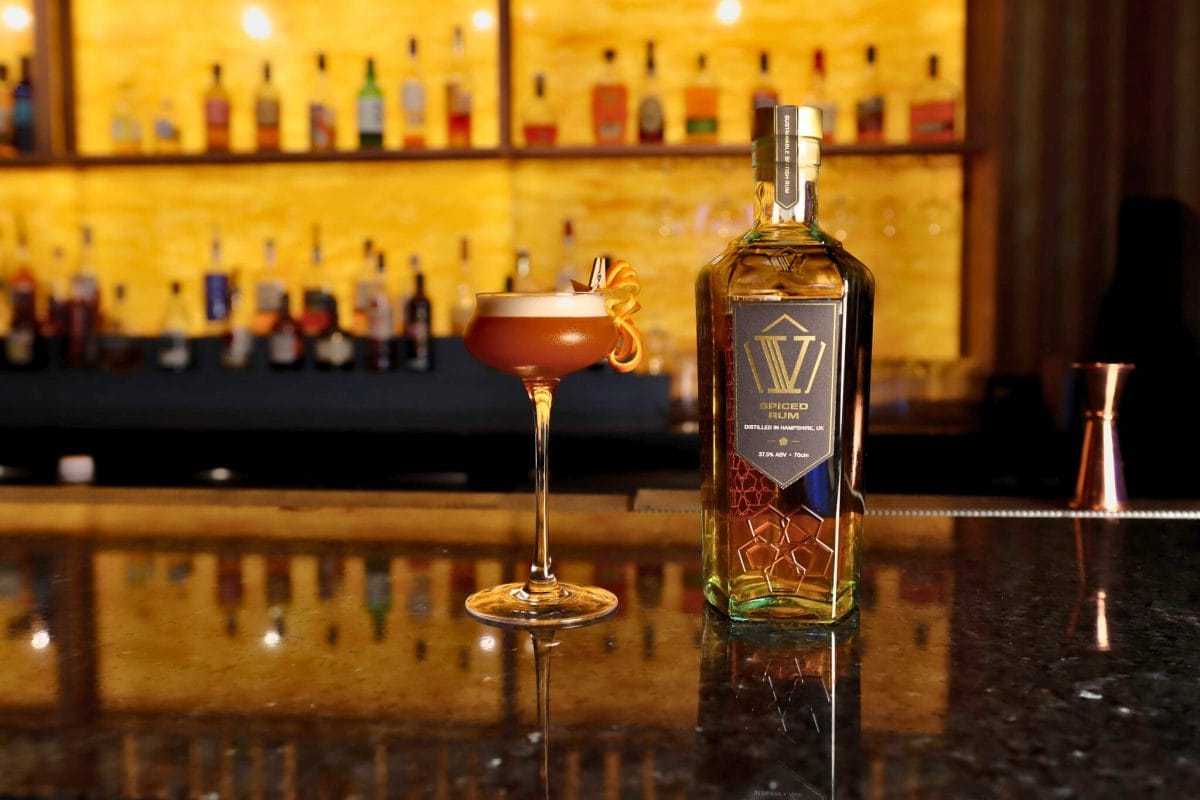
You might think rum and whisky are interchangeable: they’re both strong spirits, spiced rum can look almost identical to whisky – and they both make delicious mixed drinks. However, they’re very distinct spirits, with their own flavours, cultural roots and variations (if you check out our store, you’ll see just a few of the variations in rum).
To help break down the variations, we’ve put together this comprehensive guide to the differences between rum and whisky.
ORIGINS AND HISTORY
Let’s start at the beginning, with a quick rum vs whisky history lesson.
The origins of whisky are the topic of some friendly debate between the Scots and the Irish, with each claiming to have invented it first. The most reliable sources come from the Scottish Highlands, with records showing that Highland farmers had begun to distil spirit from leftover grain as early as the 12th century. This originally crude spirit that we now call whisky (or whiskey if you’re Irish or American) was first named in Gaelic, as ‘uisge beatha’ or ‘usquebaugh’, which means ‘water of life’. Over many centuries, refinements were made in the distillation process and regional variations developed as it spread. There are distinct differences between whisky distilled in different parts of Scotland and Ireland, let alone the US, Japan or any of the other numerous countries that began making their own versions in the last few hundred years.
Rum, on the other hand, is a far newer invention. It has its roots in the 17th century in the sunny Caribbean. A byproduct of sugar production, molasses, was fermented to produce what was originally called ‘kill devil’ – you can only imagine how rough it must have been to earn that name. However, it was quickly refined into something far more palatable and became the staple drink of the British navy in particular, who used it to make ‘grog’, which was rationed to sailors stationed around the world. Rum was also nicknamed ‘Nelson’s blood’ in the 19th century, in reference to the legend that his body was preserved in a cask of rum after his death at the Battle of Trafalgar. The strangest part of that story is that the only inaccuracy there is the spirit – he was pickled in brandy, not rum!
INGREDIENTS AND RAW MATERIALS
So, let’s look at ingredients: is rum the same as whisky? In short, not really.
There are three core ingredients in whisky: grains, water and yeast. Barley is the most traditional choice, but you can also use corn, rye and wheat, with each giving its own flavour. American whiskey, for example, often uses rye, or corn in the case of Bourbon.
Rum, on the other hand, is made using molasses or sugarcane juice instead of grains, although water and yeast are still used. In terms of rum vs Scotch and rum vs whiskey or even rum vs Bourbon, the base ingredients used are very different.
PRODUCTION PROCESS
Another key difference between rum and whisky is how they’re made.
We’ll start with whisky. There are a few different ways to make whisky depending on the variety, but to keep things simple, we’ll stick to the original malt whisky formula. There are six steps to making malt whisky:
- Malting – barley is steeped in water, laid out on a malting floor to germinate and then dried in a kiln after six or seven days.
- Mashing – now called malt, it’s then ground into a flour and mixed with hot water in a mash tun, where the starch from the barley turns to sugar – the result is called wort.
- Fermentation – the wort is allowed to cool to 20˚C, is pumped into washbacks and has yeast added to it, which eats the sugar, converting it to alcohol and producing byproducts which add flavour.
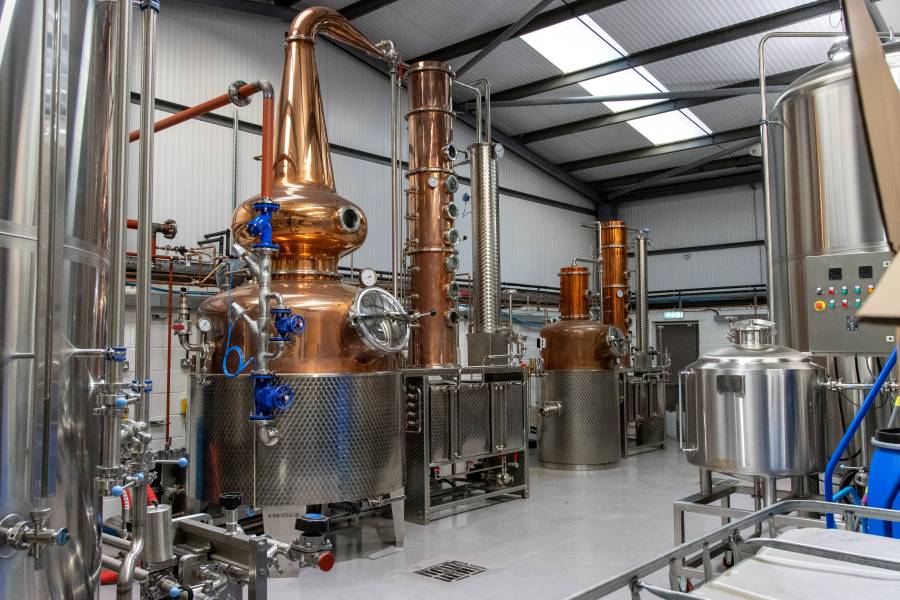
- Distillation – the mixture is then heated in carefully designed pot stills, where the alcohol and other liquids are evaporated and then recondensed in a condenser. This process is done twice, first in a wash still and then a spirit still and only the prized middle part of the distillation run is kept.
- Ageing – the distillates are finally poured into casks where they age into whisky. These casks are usually ex-Bourbon, brandy or sherry casks for added flavour. All Scotch whisky must be aged for a minimum of three years by law. Other whiskies, such as Bourbon, must be aged in single-use, charred American white oak barrels.
And now, a quick overview of rum:
- Sugar production – rum production begins with the harvesting of sugar cane, where it’s refined to make sugar. The key part of this process, as far as rum is concerned, is the molasses byproduct extracted from the plant.
- Fermentation – the molasses or cane juice is then mixed with water and yeast and fermented, where the sugars are converted into alcohol.
- Distillation – this mixture is then distilled using a still. Unlike whisky, which uses almost exclusively pot stills, rum can be distilled with a variety of different stills. At V Rum, for example, we use two custom Holstein stills. Depending on the rum, the spirit is then either flavoured to make spiced rum, or bottled as it is, in the case of white rum.
- Ageing – for darker or aged rums, they are poured into casks in a similar way to whisky, which ages the spirit and adds different flavours.
- Blending – some rums are blended before bottling or after ageing to deliver a smooth, consistent taste.
AGEING AND MATURATION
Next, let’s look at the difference in ageing rum vs whisky. The processes and materials used are actually pretty similar, and both are often aged in casks which can be made of different woods and previously used for other spirits, depending on the flavour the distiller wants to impart.
However, there are differences in how ageing happens in rum vs whisky and the length of time they’re aged for. Some of this is down to climate and environment. For example, whisky is typically produced in cooler climates, particularly in the case of Scotland, where ageing happens more slowly. Rum, on the other hand, is traditionally produced in warmer climates, where ageing happens faster, so a lot of rums aren’t aged as long as whisky.
This also means that the age scales are different for rum vs scotch or rum vs whiskey, and a younger rum can have a flavour complexity similar to that of a much older whisky.

FLAVOUR PROFILES
Now for arguably the most important part: flavour. This is probably the most pronounced difference between rum and whisky.
Whisky, being made from grain and always aged in casks, tends to be more smoky, peaty, nutty and earthy. The exact flavours will vary depending on where it’s made and the ingredients used.
Rum is more characteristic of its tropical roots, and is usually lighter, sweeter and spicier.
Both are highly versatile spirits, and there’s such a wide variety in each camp that there are both rums and whiskies for sipping or mixing, depending on the type and quality that you choose. When you think of sipping spirits, whisky might come to mind first, but you can easily do the same with a good quality rum.
POPULAR USES AND PAIRINGS
Because of the differences in flavour, there are some variations in food pairings and drink uses when it comes to rum vs whisky. Here are just a few examples of each:
Whisky:
Food pairings:
- Red meat
- Cheese
- Dark chocolate
Drinks:
- Neat
- Old Fashioned
- Whisky Sour
Rum:
- Food pairings:
- Desserts
- Tropical food
- Spiced chicken
Drinks:
- Mojito
- Daiquiri
- Rum Punch

RUM VS WHISKY: A QUICK COMPARISON TABLE
To round things off, here’s a quick-fire comparison of the difference between rum and whisky:
| Aspect | Rum | Whisky |
|---|---|---|
| Base ingredient | Sugarcane (molasses or juice) | Grains (barley, corn, rye) |
| Origin | Caribbean, UK | Scotland, Ireland, US, Japan |
| Flavour profile | Sweet, caramel, tropical | Smoky, woody, grainy |
| Ageing climate | Tropical, fast | Cool, slow |
| Popular uses | Cocktails, desserts | Neat, cocktails, food pairing |
CONCLUSION
So, rum vs whisky, what’s the difference? Just about everything. They’re made using different ingredients, derived from different parts of the world and deliver a completely different flavour experience.
Both have their merits and make unique, delicious drinks in their own right. Although, as rum lovers ourselves, we’d argue that rum takes the lead, but it’s all a matter of circumstance and taste. The best way to sample both is to find a good quality spirit made by a distiller who cares about their product. For a taste of the best that rum has to offer, try V Rum. We distil a range of delicious rum right here in the UK, including spiced rum, premium white rum and overproof white rum, all outstanding in cocktails or on their own for sipping.